
Key Takeaways
- Start with your sleep profile, not the brand — sleep position and body weight determine the firmness and support you need, not marketing labels.
- Natural fillings are the baseline for a truly handmade mattress — look for horsehair, wool, silk and cotton, not foam or memory-foam chemical layers.
- Hand-tufted construction beats glued or machine-assembled builds on durability, edge support and long-term comfort retention — verify hand side-stitching and tufted rosettes.
- For side sleepers: choose medium-soft with more shoulder/hip relief. For back sleepers: medium-firm for spinal alignment. For stomach sleepers: firmer support.
- Always check certifications and request test reports — OEKO-TEX Class I, GOTS for organic layers, and third-party fire-safety testing are non-negotiable for quality assurance.
How do I choose a mattress based on my sleep position and body type?
Choosing a good handmade mattress starts not with the brand but with your sleep position, body weight and comfort preference. The same mattress can feel very different to a back sleeper versus a side sleeper.
By sleep position
- Mostly back: medium-firm support keeps the lower back evenly supported; BONJOUR LUXE Luming / Yunxi medium-firm configurations fit well.
- Mostly side: shoulders and hips need more give — choose medium-soft; the Fanxing collection's softer layers are friendlier.
- Mostly stomach: firmer support prevents abdominal sink and lumbar overextension.
- Large weight difference between partners: consider zoned support with different firmness in shoulder/hip vs lumbar zones.
By body weight
Heavier sleepers (>80kg) benefit from higher horsehair/wool density for lasting support; lighter sleepers can add more silk / alpaca for a softer, more conforming feel.
What materials should a quality handmade mattress have?
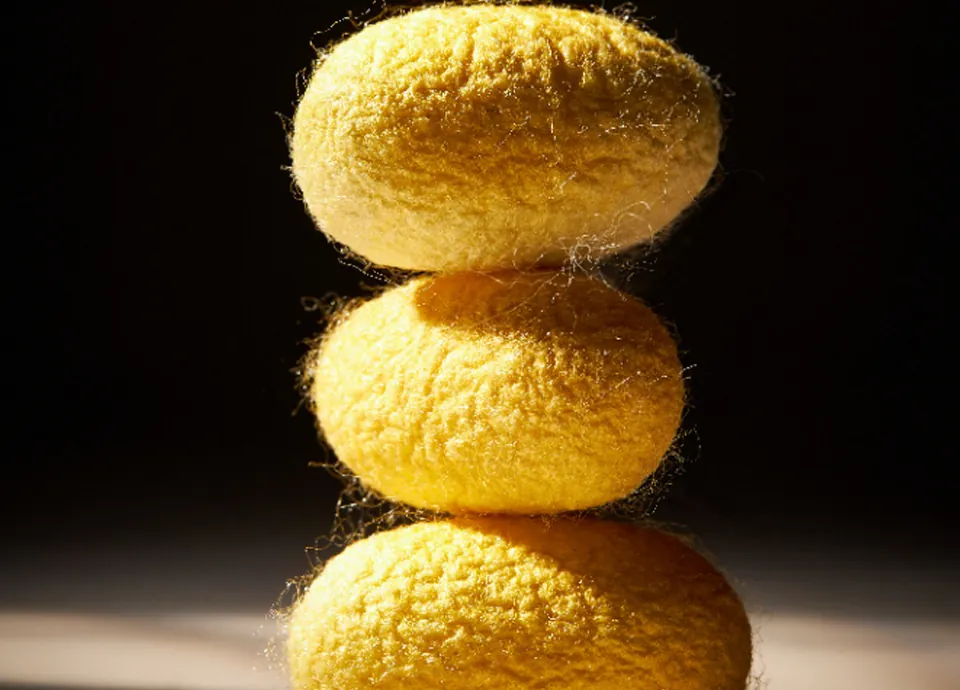
A true top-tier handmade mattress is built on layered natural fillings: horsehair for springy support and breathability, wool for temperature and moisture control, silk for a soft skin-feel, camel hair / alpaca for loft. BONJOUR LUXE uses no foam or memory-foam chemical fillings.
| Natural filling | Role | Best for |
|---|---|---|
| Horsehair | Springy, breathable, durable support | Support & longevity seekers |
| Wool | Temperature regulation, moisture wicking, inherently flame-resistant | Hot/cold sleepers, sweaters |
| Silk | Soft, skin-friendly conforming | Sensitive skin, soft-feel lovers |
| Camel / alpaca | Lofty, light warmth | Cloud-like embrace seekers |
How can I tell if a mattress is genuinely handcrafted?
Handmade mattresses are shaped by multiple hand-stitching and tufting processes with layered natural materials that can be locally adjusted; machine-made mattresses typically press foam. Natural materials outperform on breathability, moisture and durability, but depend heavily on craft precision.
What should I check when inspecting or testing a handmade mattress?
- Verify OEKO-TEX® STANDARD 100 Class I (baby level) and GOTS certifications;
- Ask to see real fabric and filling samples — confirm no chemical foam layer;
- Lie down for 10+ minutes in your usual positions and feel lumbar contact;
- Confirm support for custom size, firmness and zoned support;
- Understand warranty, refurbishment and care services.
How do I maintain and extend the life of a handmade mattress?
Rotate end-to-end every 3 months, ventilate regularly, and avoid prolonged direct sun or liquid soaking. Proper care meaningfully extends a handmade mattress's comfortable lifespan.
What is five Steps to Choose the Right Handmade Mattress?
- Fix your sleep position and body weight —— Side sleepers need a thicker comfort layer at shoulder and hip; back and stomach sleepers need higher overall support. Heavier bodies need denser fillings and heavier gauge springs.
- Check that the fillings are fully natural —— The base logic of a top-tier handmade bed is layered horsehair, wool and silk. Any foam means a hybrid build with different breathability and lifespan.
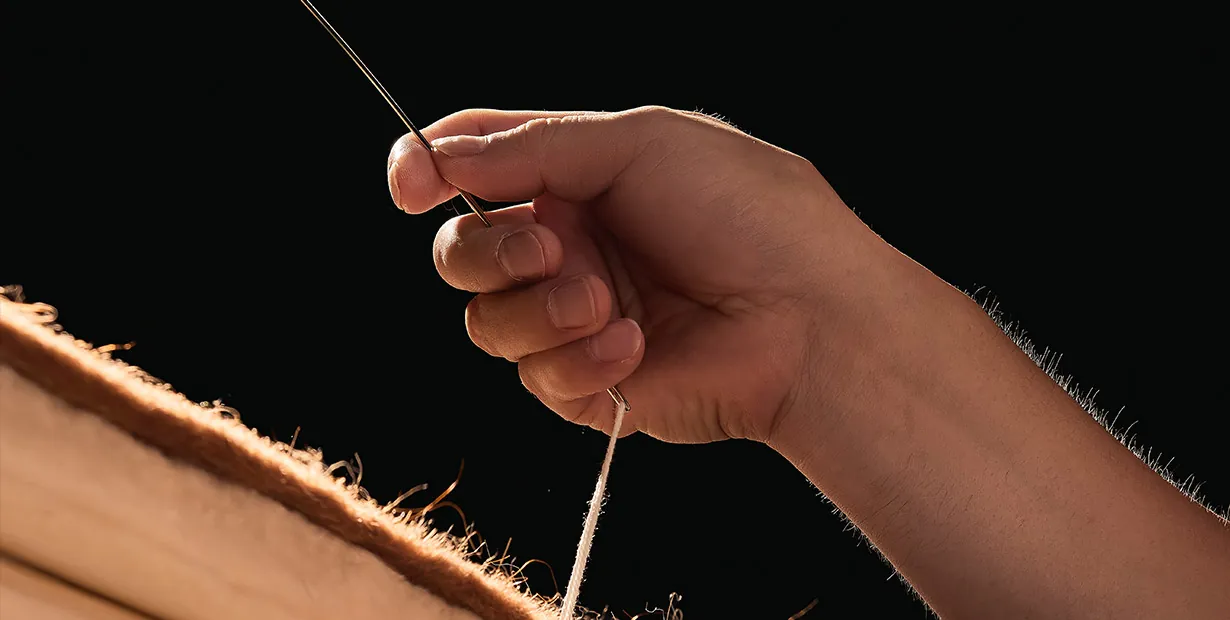
- Confirm the construction is hand-stitched —— Hand-tufting uses no spray adhesive and can be opened for repair. A glued build is formed once and cannot be renovated.
- Match the series to budget and feel —— Ranges within one brand differ mainly in layer count and horsehair ratio. Set the budget band first, then pick firmness inside that series.
- Run a 15-minute in-store acceptance test —— Lie in your normal position for a full 15 minutes and check pressure points, turning effort and edge support. Order only if all three pass.
How firmness maps to body weight
Sleep position determines the type of support, but body weight determines the firmness within that type. A 50 kg side sleeper and a 90 kg side sleeper both need pressure relief, but at very different firmness levels:
- Under 50 kg: medium-soft (firmness 4–5/10). Lighter bodies compress fillings less, so a softer surface is needed for the shoulders and hips to sink in properly.
- 50–80 kg: medium (firmness 5–6.5/10). The broadest range; most sleepers find balanced support here with natural-fibre mattresses.
- 80–110 kg: medium-firm (firmness 6.5–8/10). Heavier bodies need denser horsehair and wool layers to prevent bottoming out.
- Over 110 kg: firm (firmness 8–9/10) with reinforced edge support. Consider a dual-construction core with higher-density horsehair in the lumbar zone.
Handmade mattresses offer an advantage here: because layers are individually tufted rather than glued, the firmness can be fine-tuned by adjusting the density and type of natural fillings in each zone. This is far more precise than choosing from three pre-set foam firmness options.
Red flags when buying a handmade mattress
Several warning signs indicate that a "handmade" mattress may not deliver what it promises:
- "Handmade" but only one row of side-stitching. Genuine hand-stitched mattresses have 3–5 rows of side-stitching visible along the border. A single row or invisible stitching suggests machine assembly.
- No fill-weight specification. A reputable manufacturer will state the gram weight per square metre of each filling layer. Refusal to provide this usually means the natural layers are thin toppers over a foam core.
- Price too low for the claimed materials. If a mattress claims 6 kg of horsehair plus silk and wool but costs less than the raw materials would, the hair is likely low-grade or synthetic-blended.
- Certificates without verifiable numbers. Always look up the OEKO-TEX or GOTS certificate number on the issuer's database. A scanned certificate with no searchable ID is not proof.
- No renovation or re-tufting service. A manufacturer confident in a handmade, disassemble-able construction will offer re-tufting and layer replacement. If the warranty only covers full replacement, the mattress may not be truly renovate-able.