
Key Takeaways
- Horsehair is worth it for buyers who prioritize breathability, durability and natural construction — it outperforms foam on moisture wicking, springiness and 10+ year lifespan.
- A quality horsehair mattress costs 2–5x more than a foam mattress upfront, but lasts 2–3x longer, making the total-cost-of-ownership competitive at the 10-year horizon.
- Horsehair's hollow fiber structure is the key benefit: it acts as a natural spring layer, supports air circulation, and resists compaction far better than foam or memory foam.
- Not all horsehair mattresses are equal — verify the hair grade (tail hair is premium), sanitization process, and whether it's blended with wool/silk for balanced comfort.
- Best suited to: luxury retail, boutique hotels, hot sleepers, and buyers avoiding synthetic foams and chemical fire retardants.
What is horsehair and why is it used in luxury mattresses?
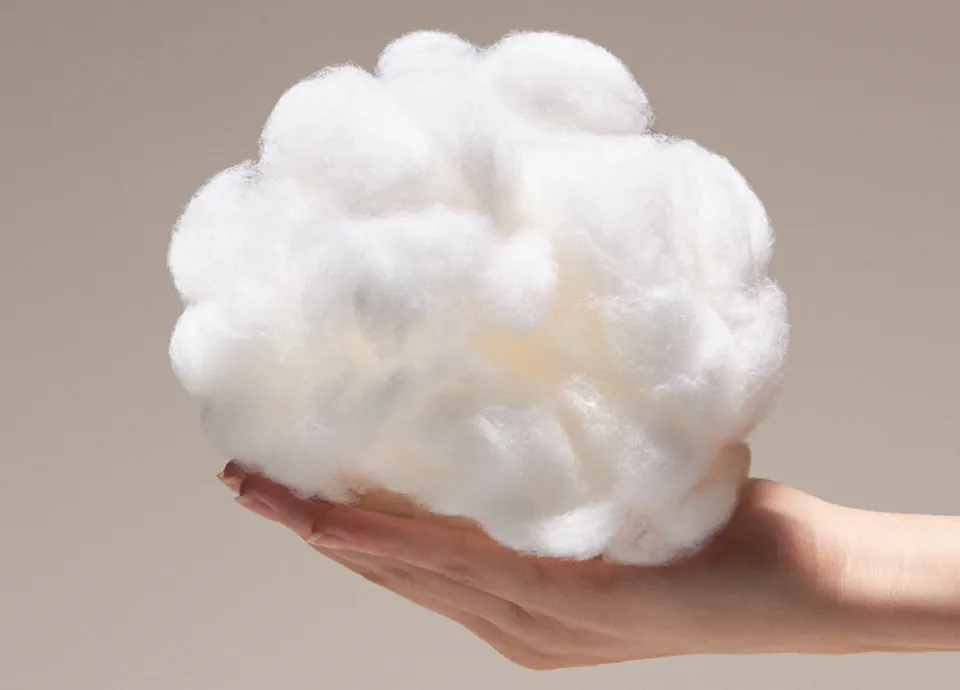
Horsehair is a natural keratin fiber from the tail and mane, with a hollow structure. That hollow shape gives it both springiness and breathability, which is why it has long been used in European royal and luxury mattresses for support layers. In a luxury mattress the horsehair is typically washed, sanitised and combed through several steps, then layered to become a natural "spring layer" that supports the body.
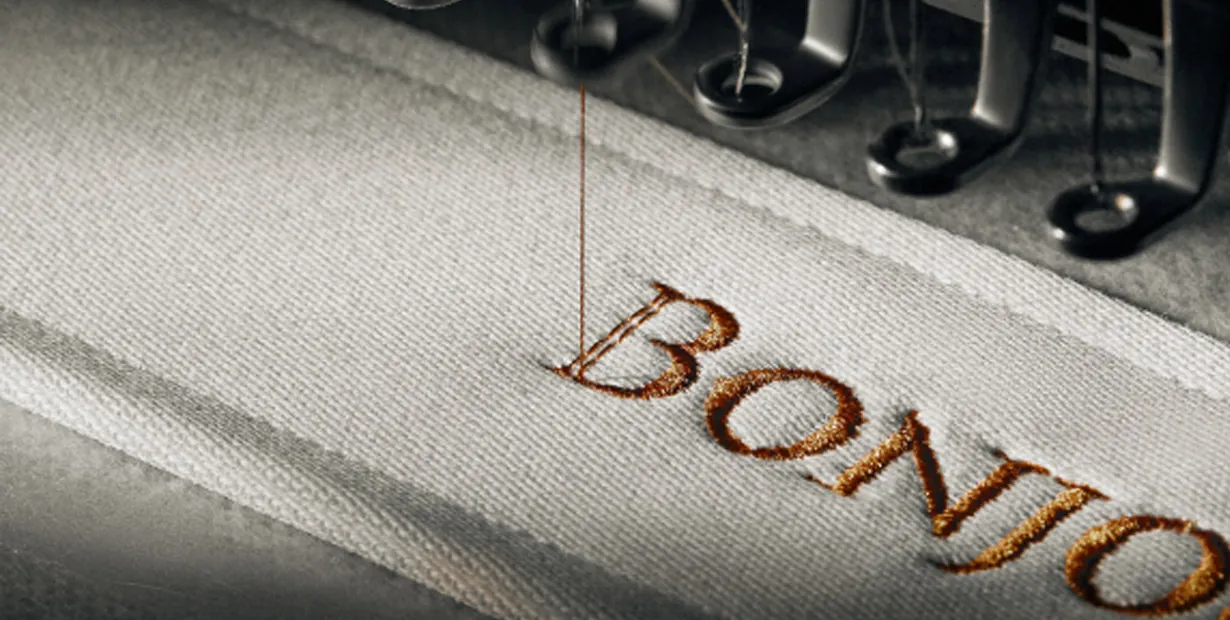
What are the benefits of horsehair in a mattress?
- Breathable: the hollow fiber forms natural capillary channels that move air and wick moisture, feeling dry - especially good for hot sleepers.
- Supportive: natural spring distributes pressure across shoulders, hips and lumbar, reducing sink-in when turning.
- Durable: high fiber strength resists compression fatigue, lasting years with reasonable use and care.
- Natural: kinder to skin and environment than foam, and easier to break down at end of life.
How Horsehair Pairs With Other Natural Fillings
Luxury mattresses rarely use one material alone. Horsehair handles support and breathability, usually paired above with wool (temperature), silk (skin feel) and camel / alpaca hair (plush wrap) to build a layered comfort system. Understanding this combination matters more than simply asking "does it have horsehair".
What are the downsides of horsehair mattresses?
- Natural horsehair needs proper processing and tufting, a high craft threshold - why it appears mostly in high-end beds.
- Those sensitive to animal fiber should try first to confirm feel and odour.
- Typically priced higher than machine-made beds - an investment in long-term sleep health.
Who is a horsehair mattress best for?
People who value breathability, natural materials and long service life - especially hot sleepers and those sensitive to chemical odours. All three BONJOUR LUXE collections (Luming, Yunxi, Fanxing) offer horsehair options, selectable by firmness preference and budget.
What certifications should you look for on horsehair mattresses?
OEKO-TEX STANDARD 100 Class I confirms no harmful substances and safety against infant skin; GOTS covers organic cotton with traceable organic processing. BONJOUR LUXE has been an ISPA member since 2014. See honours and certifications. Trusting these backings is more reliable than marketing words.
How do you care for a horsehair mattress?
Natural mattresses with horsehair should be flipped every 3 months and kept ventilated and dehumidified, away from prolonged direct sun and liquid soaking. If local sagging or comfort change appears, contact the brand for hand renovation and firmness adjustment to restore support.
How does horsehair compare to memory foam, latex and wool?
| Filling | Breathability | Support | Durability | Natural |
|---|---|---|---|---|
| Horsehair | Excellent | Strong, springy | Long | Yes |
| Wool | Good | Medium | Long | Yes |
| Foam / memory foam | Poor (closed cells) | Good at first, sags | Short | Petrochemical |
| Latex | Medium | Medium | Medium | Blended |
The comparison shows horsehair leads on breathability and natural origin, and pairs with wool for both support and comfort, while petrochemical foams trade breathability and longevity for lower cost - which is why luxury beds insist on natural layered fillings.
More on materials in our production, R&D and fillings.
What is four Steps to Decide Whether Horsehair Suits You?
- Confirm whether you sleep hot —— Horsehair is a hollow natural fiber that moves air and moisture far better than closed-cell foam. Hot sleepers, menopausal sleepers and humid-climate buyers gain the most.
- Confirm your firmness preference —— Horsehair gives springy support rather than a sinking hug. Anyone used to memory foam typically needs a 2–4 week adaptation period.
- Calculate the cost per night —— Horsehair costs more upfront, but the mattress can be opened, re-stuffed and renovated. Amortised over 10+ years it usually beats replacing a foam bed every 7–10 years.
- Add one check if you are chemically sensitive —— Choose glue-free hand-tufted construction and verify the OEKO-TEX Standard 100 Class I (baby grade) certificate number.
Horsehair mattress cost breakdown
Understanding where the price goes helps buyers judge whether a horsehair mattress is fairly priced. A typical luxury horsehair mattress cost structure looks like this:
- Horsehair fillings (35–45%): the single largest component. Premium tail hair costs 3–5x more than mane hair due to longer, stronger fibres. A King-size mattress uses 4–8 kg of processed horsehair.
- Other natural fillings (15–20%): wool, silk, cotton and camel/alpaca hair layered above and below the horsehair core for comfort and moisture regulation.
- Labour (20–25%): hand-tufting and side-stitching require 8–16 hours of skilled craft per mattress. This is the main reason horsehair mattresses cannot be cheaply machine-made.
- Spring system (10–15%): pocketed springs or natural-fibre core, depending on the model.
- Cover, certification and overhead (10–15%): organic cotton or silk cover, OEKO-TEX/GOTS certification fees, and quality control.
A horsehair mattress priced below the cost of its fillings is almost certainly using low-grade hair or blending it heavily with synthetic fibres. Buyers should ask for the hair grade and weight per square metre before comparing prices.
Real-world durability data and lifespan expectations
Independent testing and user data provide concrete lifespan benchmarks for horsehair mattresses:
- Resilience retention: properly sanitised and layered horsehair retains 85–90% of its original springiness after 10 years of nightly use, compared with 50–60% for memory foam.
- Sag resistance: horsehair cores show less than 5% permanent indentation after 30,000 compression cycles in ASTM F1566-style rolling tests; foam typically reaches 15–20% indentation.
- Moisture handling: the hollow fibre structure wicks 30–40% of its weight in moisture without feeling damp, which prevents the mould and odour that shorten foam mattress lifespans in humid climates.
With annual rotation and professional re-tufting every 5–7 years, a quality horsehair mattress comfortably serves 15–20 years. This 2–3x longevity over foam largely offsets the 2–5x upfront price premium.